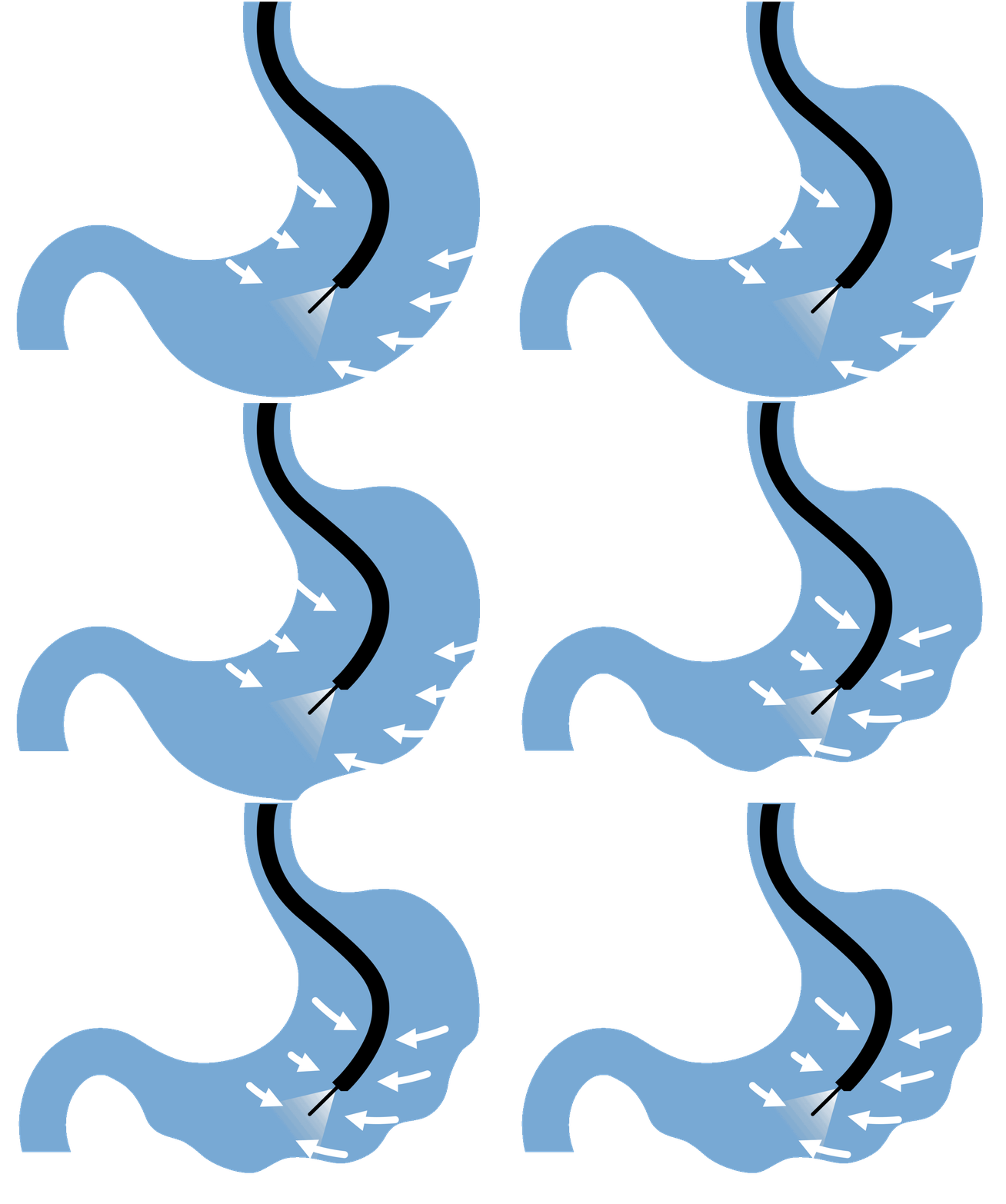
What is Endoscopic Sleeve?
Moreover, the procedure's minimally invasive nature underscores its appeal , as it circumvents the complexities and risks associated with traditional surgical interventions. Through precise internal suturing, ESG facilitates significant weight reduction and fosters improved metabolic health, rendering it a valuable option in the spectrum of weight management strategies.
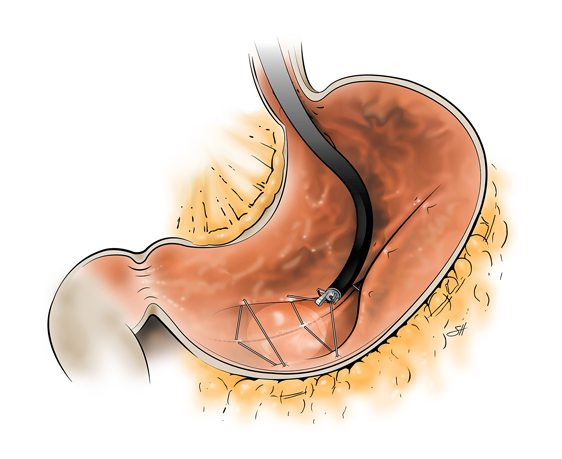
– HOW DOES IT WORK?
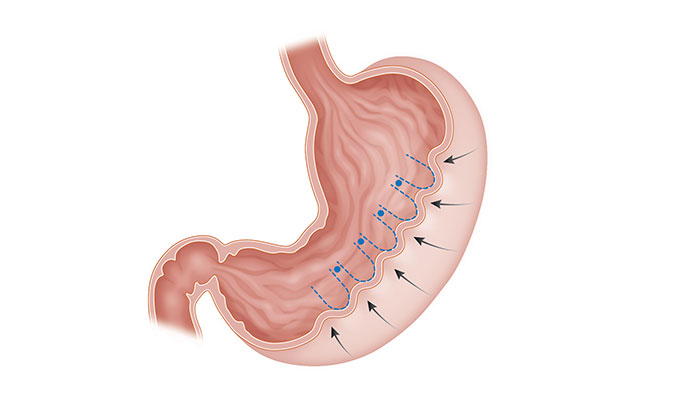
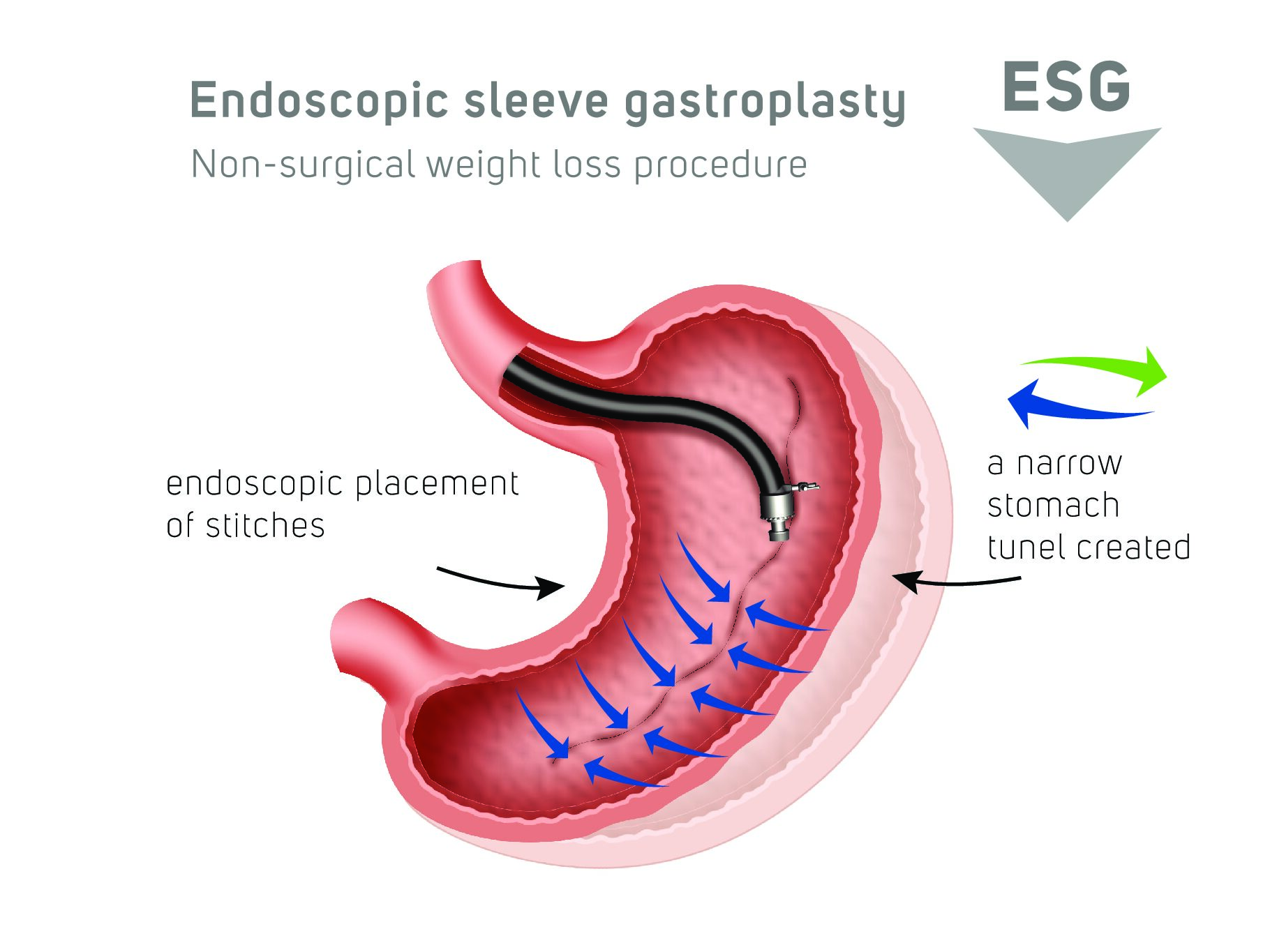
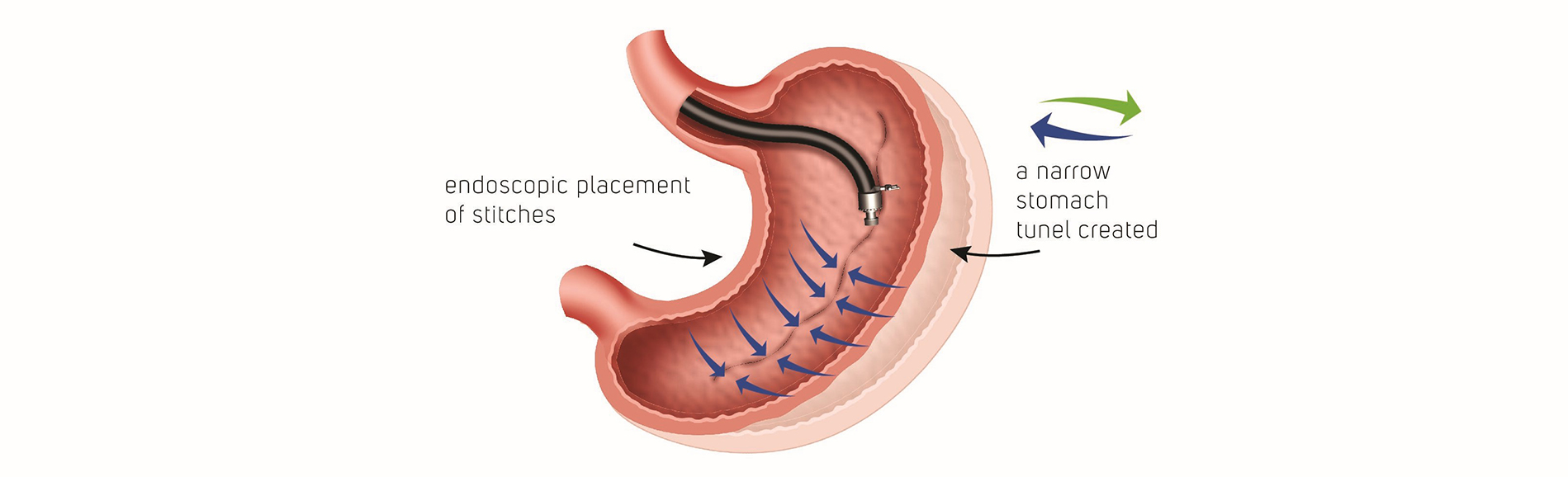
The endoscopic stomach-sewing procedure, performed without the need for any external incisions , represents a significant advancement in minimally invasive bariatric interventions. Conducted under anesthesia , the procedure typically lasts between 1 to 1.5 hours , with patients requiring only a short hospital stay of about 1 day . Through the insertion of an Endoscope, equipped with a camera and a suturing device, into the stomach via the throat, the surgeon marks the orientation of the stomach to guide the procedure. Subsequently, 5 to 8 sutures are tightly placed to reduce the horizontal diameter and vertically shorten the length of the stomach from within, resulting in a remarkable 70% reduction in its volume .
This endoscopic gastric reduction technique exerts profound effects on a patient's weight management journey. Firstly, the diminished stomach capacity restricts the amount of food intake per meal, facilitating portion control . Secondly, the alteration of the stomach's shape accelerates digestion and impedes the absorption of fatty foods. Lastly, the smaller stomach size prompts a sensation of fullness with smaller food portions , fostering satiety and aiding in weight loss efforts.
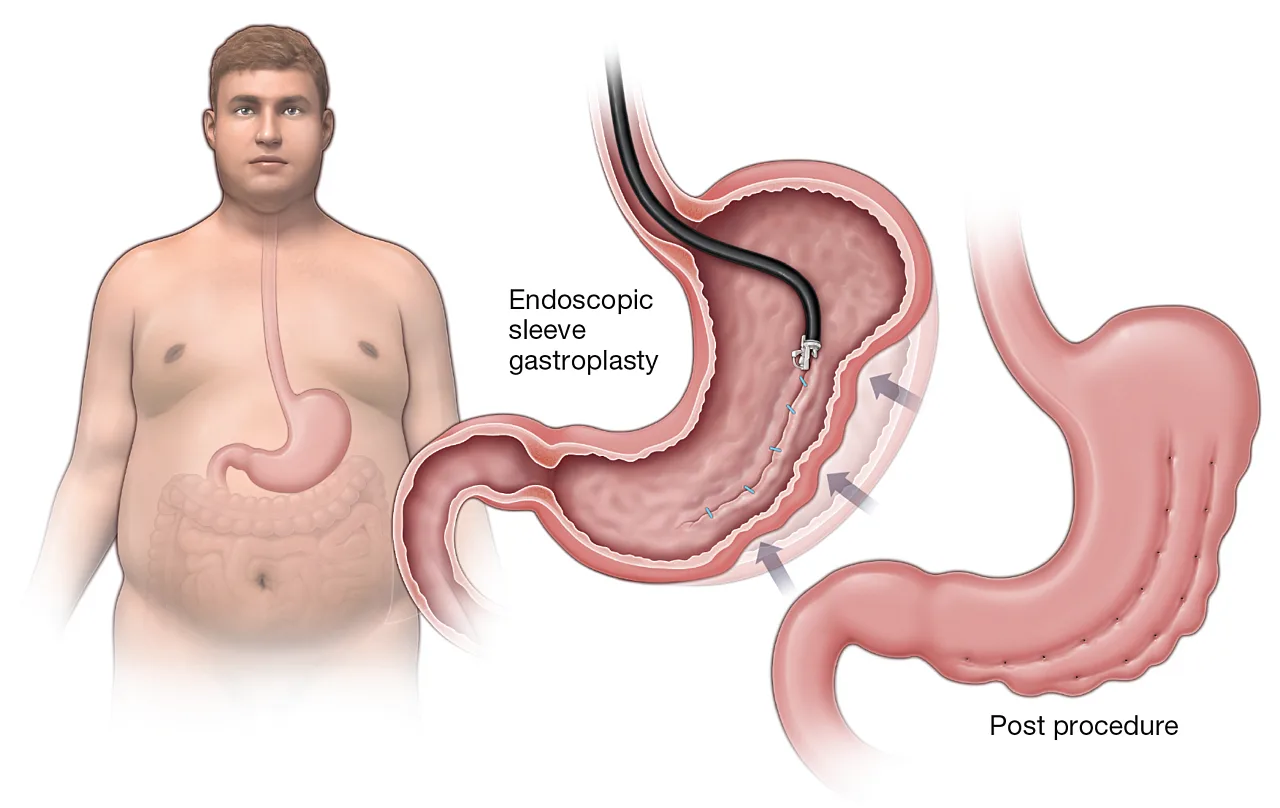
B How Is It Done & How Does It Work
Patient is placed under anesthesia to ensure comfort and minimize discomfort during the procedure.
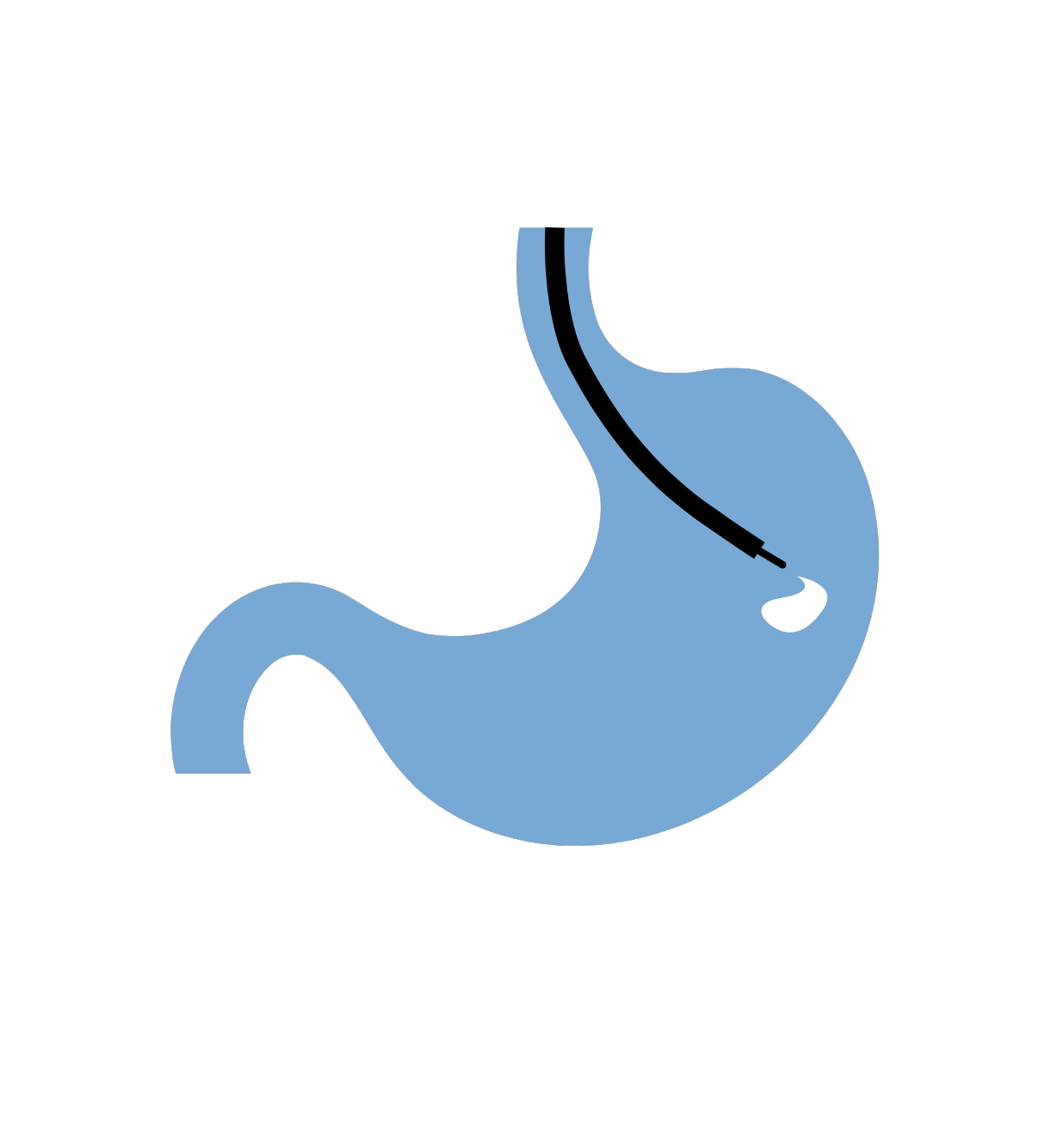
Endoscope, equipped with a camera and a suturing device, is inserted through the throat and guided into the stomach
Surgeon carefully marks the orientation of the stomach to ensure precise placement of sutures.
58 sutures are tightly placed within the stomach, targeting both the horizontal diameter and the length, effectively reducing its volume by up to 70%
Throughout the procedure, the surgeon monitors progress using the endoscope's camera to ensure accuracy.
Once sutures are placed and stomach size is reduced, the endoscope is carefully removed
Patient is closely monitored post procedure to ensure a smooth recovery and to manage any potential discomfort
Patients typically stay in the hospital for about 1 day for observation and to receive postoperative care
Following the procedure, patients experience a reduction in stomach capacity, leading to improved portion control and reduced food intake
The altered stomach shape accelerates digestion and limits the absorption of fatty foods, contributing to weight loss
Patients also experience increased feelings of fullness with smaller food portions, aiding in satiety and supporting their weight loss journey.
A Pre-Procedure
Eligibility
Endoscopic Sleeve Gastroplasty is recommended for individuals who meet certain criteria. These may include:
- Body Mass Index (BMI) of 30 or higher, indicating obesity (class I or higher)
- BMI of 27 or higher may qualify if accompanied by obesity related health conditions such as diabetes, high blood pressure, sleep apnea, heart disease, cholesterol etc
- Patients who can’t undergo bariatric surgeries having a BMI below 35
- Patients with BMI of over 60 with anesthesia risk, and need to lose weight before planned bariatric surgery
- Previous unsuccessful attempts at weight loss through diet, exercise, and other nonsurgical methods
- Past medical and surgical history may also affect eligibility, so it is important to come in for a consult beforehand
Benefits
Endoscopic Sleeve Gastroplasty is recommended for individuals who meet certain criteria. These may include:
The operation is simple, as it only reduces the stomach size and this means less complication / risk during and after the procedure compared to other more intrusive surgeries whilst the benefits of all being similar. Shortened hospitalization period, and the gastric dumping syndrome risk is avoided
The operation is simpler than other bariatric surgeries where only the stomach is reduced in size, it does not require change in food passage route in gastrointestinal system, and the risk of malnutrition is low as compared to the gastric bypass
Obesity related illnesses such as high blood pressure, stroke, type 2 diabetes, cholesterol, infertility, sleep apneas, asthma and cancer; are reduced. It also helps in longterm control of type 2 diabetes, and less dependence on medication — or the elimination of medication altogether.
Less hunger and increase in energy. You may also enjoy the elimination of back and joint pain with increased mobility, decreased depression, improved breathing and increased energy.
Dramatic improvements in your overall health and quality of life with improved self image, increased self confidence and the satisfaction that comes from enjoying a wider range of activities with friends and loved ones
Results may vary depending on lifestyle changes as well, we recommend an amalgamated approach for best results and sustainability.
C Post-Procedure
Recovery can be different for everyone, but here's what you should know:
Hospital Stay
You'll typically stay in the hospital for 1 day after the surgery to make sure you're healing well and to keep an eye on your progress.
You might be able to go back to work in less than a week, but it's best to avoid heavy physical tasks for a while
Follow-up Care
Diet :
After the procedure, you'll gradually reintroduce foods into your diet with the help of a nutritionist. They'll guide you on what and how to eat with your smaller stomach
You'll start with clear liquids within 24 hours of the surgery, then move to full liquids, soft foods, and eventually your regular diet over the next few weeks
You'll need to cut back on certain foods like sugary stuff and remember to chew slowly and thoroughly. It's important not to drink anything 30 minutes before or after eating. Ignoring these guidelines could lead to issues like constipation, dehydration, or rarely, leakage of stomach acid
Precautions
Let your doctor know right away if you experience fever, coughing, vomiting, diarrhea, abdominal or chest pain, or any other unusual symptoms.
During weight loss, you might face body aches, dry skin, mood swings, temporary hair thinning, tiredness, or feeling cold. But as your weight stabilizes, these problems should improve. Weight loss typically continues for about a year before leveling off at your body's ideal BMI.
SLEEVE GASTROPLASTY (ENDOSCOPIC) Vs GASTRIC SLEEVE (LAPAROSCOPIC)
The endoscopic sleeve gastroplasty, a minimally invasive procedure, typically leads to around 15% weight loss, which is less effective compared to the more invasive laparoscopic sleeve gastrectomy, which can result in up to a 35% weight reduction. One advantage of the endoscopic method is its reversibility – the sutures used to reduce stomach size can loosen over time, allowing the stomach to return to its original shape and size based on eating habits. This approach is considered safer and less invasive than traditional bariatric surgery, as it doesn't alter the natural digestion process.
THE BEST WEIGHT-LOSS OPTION FOR YOU
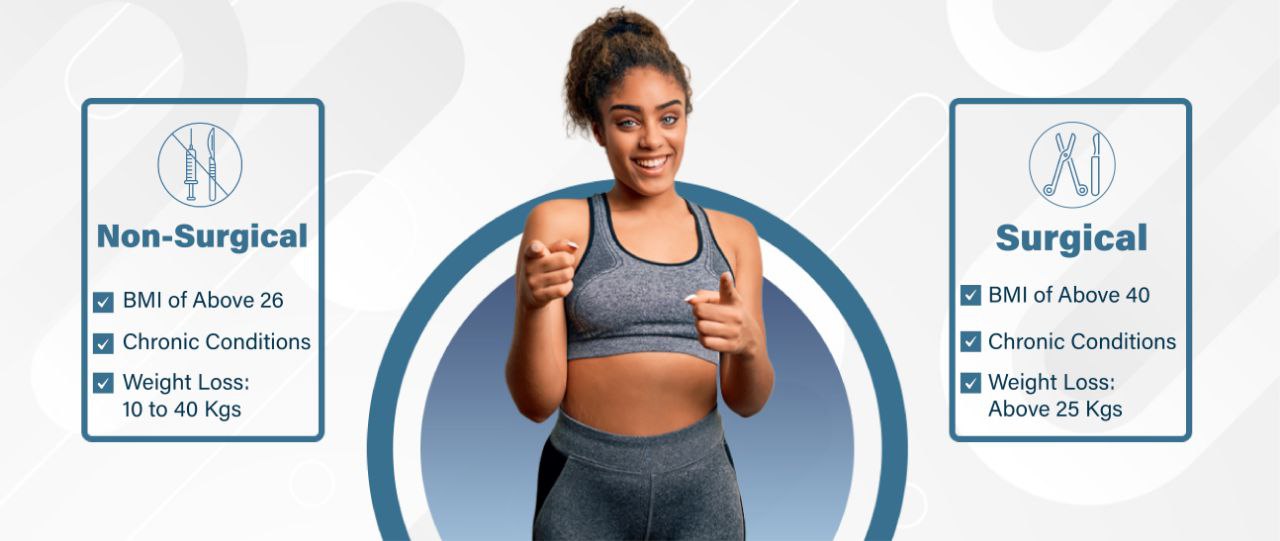
Non - Surgical
Surgical
FAQs
Obesity surgeries are evaluated based on body mass index, previous surgeries, previous medical history, amount of weight loss desired as well as financial implication – are the variables that help determine this.
It is dependent on an individual’s body mass index (BMI) and the presence of any co-morbidities. You may qualify for surgery if you have a BMI of 40 or greater, or if your BMI is at least 35 with other obesity-related health problems e.g. diabetes, heart disease, hypertension, and sleep apnea.
Usually 1-4 days of stay in the hospital. Problems that may occur during the preoperative evaluation and postoperative recovery period may determine this period.
Communication with your team and following your doctor’s instructions can prevent majority of the complications. Some include – dumping syndrome, dehydration, and nutrient deficiencies but can be avoided if the correct diet is followed and supplements.
We will transition you from liquid diet to solid diet gradually. High carb, sugary fluids and generally junk meals are to be reduced or completely avoided for better results, minimal side effects and sustainability of weight loss
After leaving the hospital, heavy activities should be reduced. The patient should not lift heavy loads for about 6 weeks.
TESTIMONIALS
Why Choose Halcyon
Comprehensive Approach
Experience a transformative journey with holistic programs, integrating customized meal plans, targeted fitness routines, and behaviour modification strategies for sustained well-being and optimal health.
Cutting Edge Technology
Harness the power of advanced tools and technologies to precisely track your progress, optimize workouts, and achieve efficient fat loss, ensuring a data-driven and results-focused approach.
Proven Results
Witness real-life success stories as testimonials to our commitment, showcasing significant weight loss transformations achieved through our dedicated programs and unwavering support system.
We inspire hope to health and wellbeing to every patient.
Successful Surgeries
Patients Treated
241 Medications (Everyday)
Duodenal Switch
The duodenal switch, a preferred weight loss surgery for severe obesity, involves stomach reduction and small intestine rearrangement to limit calorie absorption, leading to significant weight loss. Despite effectiveness, careful dietary management is crucial, making it suitable for those unsuccessful with other treatments.