What is Duodenal Switch
DS is particularly effective for morbid obesity, offering superior long-term weight loss compared to other conventional methods. It also has a notable advantage in improving or resolving obesity-related comorbidities such as diabetes.
DUODENAL SWITCH – HOW DOES IT WORK?
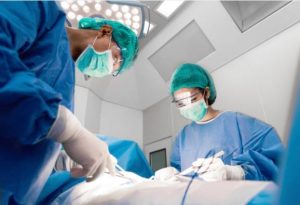
An advanced bariatric procedure performed under general anaesthesia, typically completed within2-3 hours. through laparoscopic techniques.
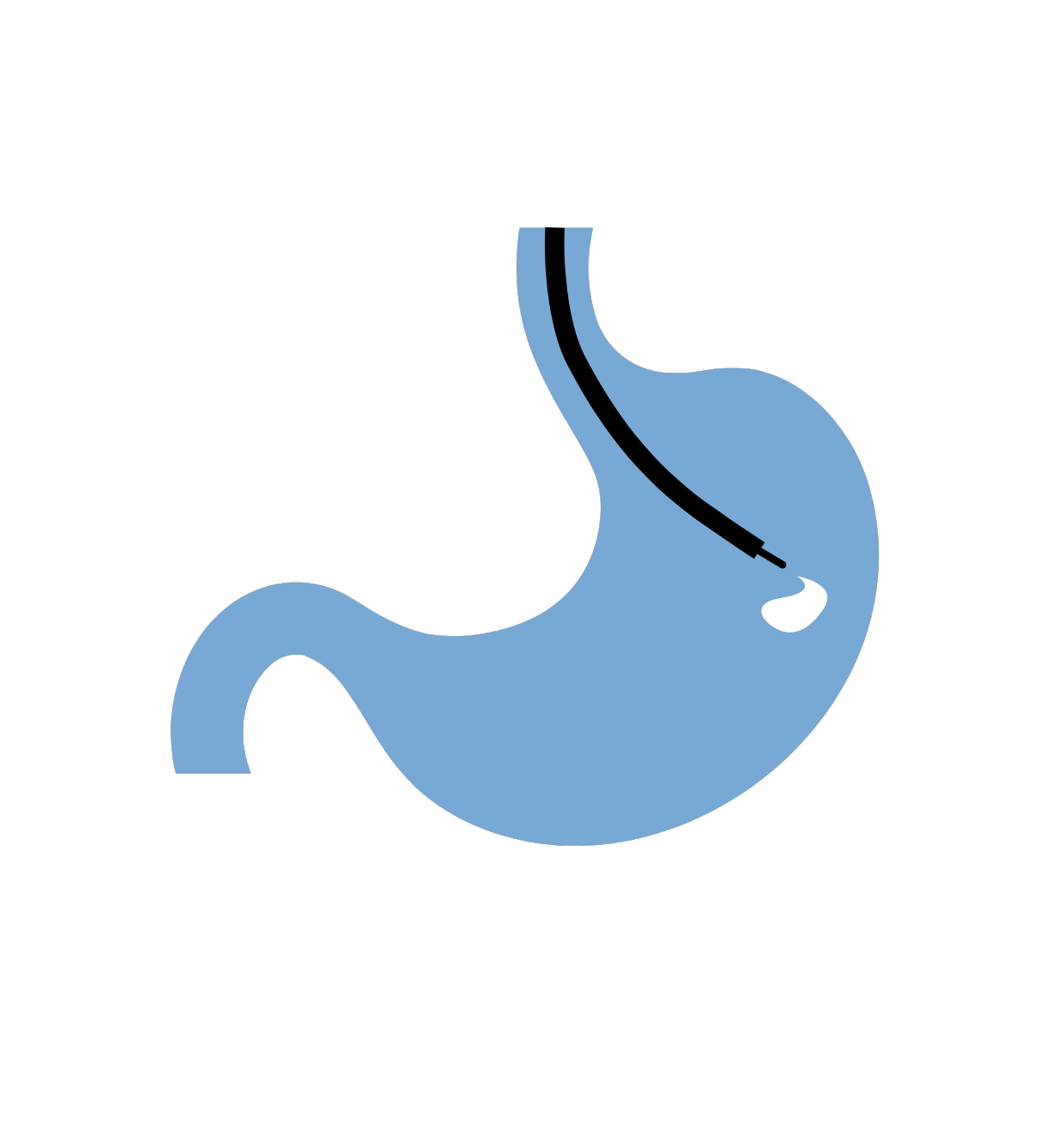
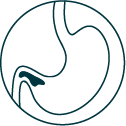
A portion of the stomach is surgically removed, leaving a smaller, tubular stomach pouch. This reduction limits the amount of food that can be consumed at one time, contributing to weight loss by enforcing a lower calorie intake
Usually for BMIs over 60, with up to 80% excess weight reduction
A
Pre Procedure
Laparoscopic duodenal switch is recommended for individuals who meet certain criteria. These
may include:
- Body Mass Index (BMI) of 60 or higher, indicating Morbidly obesity (class III)
- BMI of 40 or higher, accompanied by obesity-related health conditions such as diabetes, high
blood pressure, sleep apnea, heart disease, cholesterol etc. - Previous unsuccessful attempts at weight loss through diet, exercise, and other non-surgical
methods - Past medical and surgical history may also affect eligibility, so it is important to come in for a
consult beforehand.
MEDICAL – Obesity-related illnesses such as heart disease, stroke, type 2 diabetes, cholesterol,
infertility, sleep apneas, asthma and cancer; are reduced. It also helps in long-term control of
type 2 diabetes, and less dependence on medication — or the elimination of medication
altogether.
PHYSIOLOGICAL – You may also enjoy the elimination of back and joint pain, decreased
depression, improved breathing and increased energy.
PSYCHOLOGICAL – Dramatic improvements in your overall health and quality of life with
improved self-image, increased self-confidence and the satisfaction that comes from enjoying a
wider range of activities with friends and loved ones.
Results may vary dependent on lifestyle changes as well, we recommend an amalgamated
approach for best results and sustainability.
WEEKS BEFORE
To determine the suitability & your body’s fitness for the surgery we will take you thorough
medical, psychological, nutritional assessments and pre- counselling.
The pre-surgery weight loss diet is essential because it is low in fat and carbohydrate content,
helping reduce your glycogen levels and reduce your liver size so that the operation can be
conducted.
There should be no intake of caffeinated drinks (coffee and energy drinks) at least a week before
your surgery date. Your dietary intake in the week leading up to the surgery should be light like
vegetables and fruits.
DAYS BEFORE
You’ll need to stop smoking, eating heavy unhealthy meals, stop taking aspirin, ibuprofen, and
other blood-thinning medicines in the days before your surgery. You shouldn’t eat or drink
anything after midnight before surgery.
C
Post Procedure
Recovery may vary from person to person, but here’s what you need to know:
Hospital Stay: 3-5 days after the surgery to ensure proper healing, rehabilitation and
monitoring of progress. Patients who have undergone laparoscopic procedures may return to
work within 1 week after surgery. However, it is not advisable to engage in intense physical
work
Shortly after surgery, you’ll begin reintroducing foods into your diet in phases in consult with
your nutritionist who will teach you how and what to eat with your reduced stomach size. You’ll
start consuming a clear liquid diet within 24 hours of your surgery, then advance to a full liquid
diet, a soft food diet, and your regular diet in the weeks ahead. You will also have to reduce
certain foods, such as simple sugars, including honey, white sugar, or syrups, to avoid dumping
syndrome. You will be need to chew slowly and fully, and not to drink 30 minutes before or after
you eat. While it may seem demanding, ignoring dietary recommendations may cause
constipation, dehydration, diarrhea, or in extreme very rare cases, gastric acid leakage.
You will have follow-up visits with your bariatric surgery team to help you develop good eating
and exercise habits that will change your lifestyle. Your initial weight-loss may occur quickly, so
it’s important to get all of the nutrition and vitamins you need as you recover. To prevent
nutritional problems after surgery, your doctor may advise on supplements like Vitamin B12 and
iron.
Tell your doctor right away if you have any of the below:
- Fever
- Your wound becomes painful or hot to the touch or leaks fluid
- Coughing or trouble breathing
- Vomiting and diarrhea
- Pain in the abdomen, chest, shoulder, or legs
- Any other problems or symptoms
During weight-loss, you may have body aches, dry skin, mood changes, and temporary hair
thinning, and feel tired and cold among others. As your weight stabilizes, these problems should
go away. Weight loss continues for about a year, and then it will stabilize at your body’s
optimum BMI. It is important to incorporate lifestyle modification for sustainability and lifelong
results.
B
How is it done & How does it work
- Sleeve gastrectomy (restrictive component)
- Rerouting and creating 2 paths (malabsorption component)
- Changing the metabolic signals
Laparoscopic surgery done using tiny incisions in the abdomen, under anesthesia, and usually lasts about 3 hours with about 3 days as a hospital stay. Weight loss occurs gradually being fastest in the first months. 1.5-2 years may be required for maximum weight loss. Up to 80% of the excess weight is lost within this period. Duodenal switch is reserved for the most severely obese patients who are suffering from serious related medical issues. As a combination of gastric
bypass and gastric sleeve.
For this, a large portion of
the stomach is removed with a surgical stapling, leaving you a narrow tube, or sleeve,
from the top to near the bottom of the stomach. With less stomach to fill, you will feel
full more quickly and eat less food and fewer calories
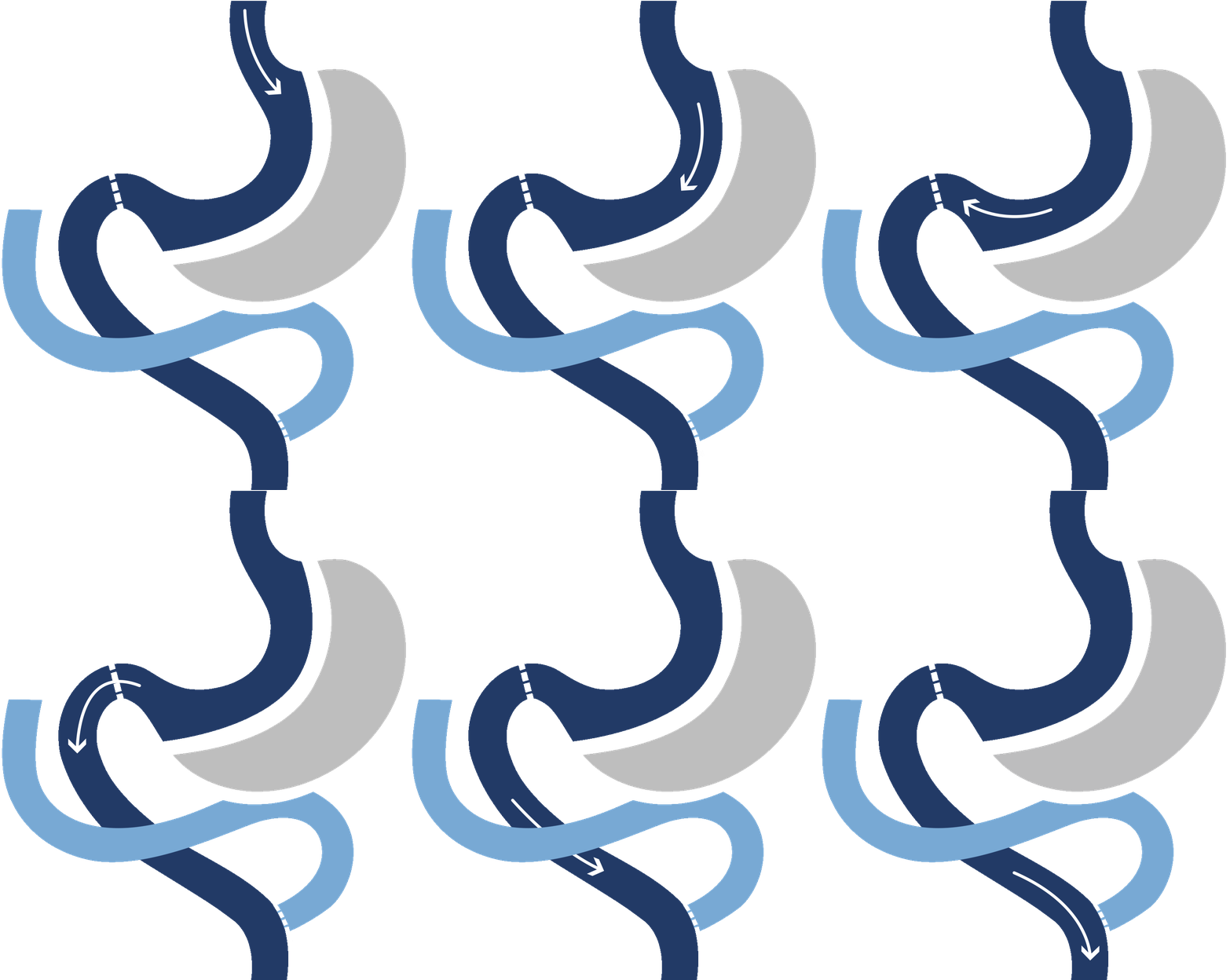
The surgeon will make a cut in
between the stomach exit and the duodenum and connect the stomach to a lower part of the
intestines. The remnant duodenum will then be rerouted and connected further down also to the
intestines.
As a result, food will travel down the 1st tube stomach-intestine path, and the digestive juices
from the liver/pancreas will travel down the 2 nd remnant duodenal-intestine path. The food and
digestive juices will meet up again approximately 75% further down the intestinal pathway
where the 2 parts conjoin. This results in significant reduced food absorption and hence fewer
calories
Between the stomach, pancreas, brain, and liver, it
assists in establishing a lower and healthier body fat. It causes changes in the normal
way that bile and digestive juices break down food. This cuts back on how many calories
you absorb, causing still more weight loss.
THE BEST WEIGHT-LOSS OPTION FOR YOU
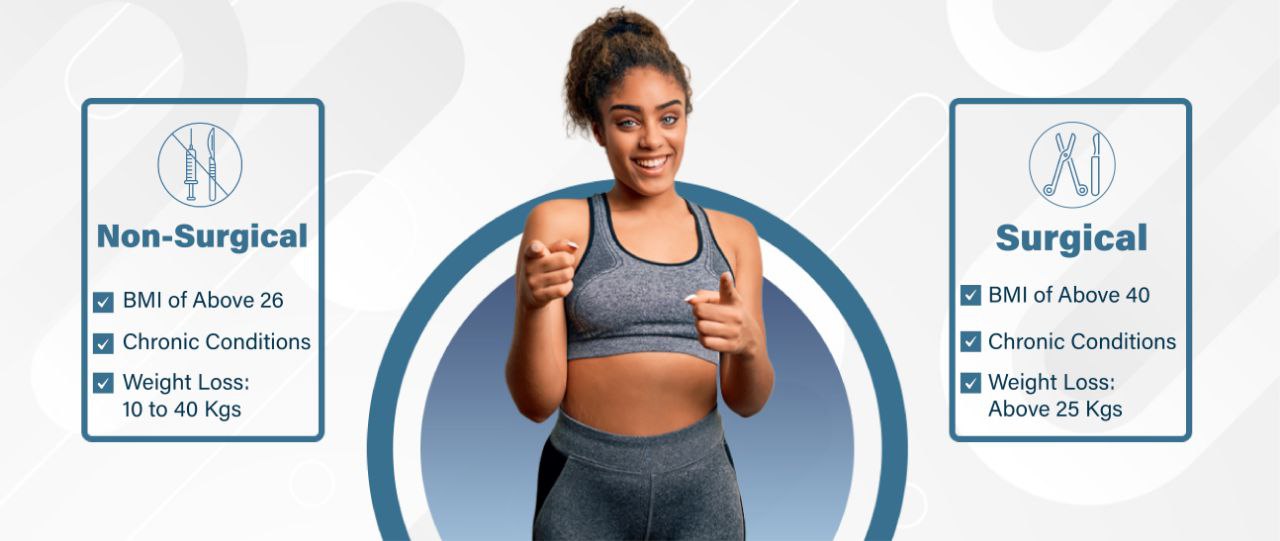
Non - Surgical
Surgical
FAQs
Obesity surgeries are evaluated based on body mass index, previous surgeries, previous medical history, amount of weight loss desired as well as financial implication – are the variables that help determine this.
It is dependent on an individual’s body mass index (BMI) and the presence of any co-morbidities. You may qualify for surgery if you have a BMI of 40 or greater, or if your BMI is at least 35 with other obesity-related health problems e.g. diabetes, heart disease, hypertension, and sleep apnea.
Usually 1-4 days of stay in the hospital. Problems that may occur during the preoperative evaluation and postoperative recovery period may determine this period.
Communication with your team and following your doctor’s instructions can prevent majority of the complications. Some include – dumping syndrome, dehydration, and nutrient deficiencies but can be avoided if the correct diet is followed and supplements.
We will transition you from liquid diet to solid diet gradually. High carb, sugary fluids and generally junk meals are to be reduced or completely avoided for better results, minimal side effects and sustainability of weight loss
After leaving the hospital, heavy activities should be reduced. The patient should not lift heavy loads for about 6 weeks.
TESTIMONIALS
Why Choose Halcyon
Comprehensive Approach
Experience a transformative journey with holistic programs, integrating customized meal plans, targeted fitness routines, and behaviour modification strategies for sustained well-being and optimal health.
Cutting Edge Technology
Harness the power of advanced tools and technologies to precisely track your progress, optimize workouts, and achieve efficient fat loss, ensuring a data-driven and results-focused approach.
Proven Results
Witness real-life success stories as testimonials to our commitment, showcasing significant weight loss transformations achieved through our dedicated programs and unwavering support system.
We inspire hope to health and wellbeing to every patient.
Successful Surgeries
Patients Treated
241 Medications (Everyday)
DUODENAL SWITCH VS GASTRIC BYPASS
The duodenal switch is best performed on patients with a BMI greater than 60.
Duodenal switch is reserved for the most severely obese patients who are suffering from serious related medical issues. As a combination of gastric bypass and gastric sleeve, it reduces food intake and nutrient absorption significantly.
In this light, it is important to keep in mind risks like gallstones, bowel habit changes, excessive loose skin, and malnutrition, which are more likely in the duodenal switch compared to the gastric
bypass.
Lifestyle changes after the duodenal switch such as eating habits should be adapted well to prevent side effects.
It has less likelihood of weight regain relapse & achieves more weight loss compared to other bariatric procedures
1 Pre Placement
Meet your team
Where we explain to you the Trifecta program facets, take a detailed medical history to see if you are eligible.
Work Up
We will then do a series of lab, imaging, anthropometry & mental assement tests to know your bodys inner workings and consequently set viable goals.
You will be prepared physically & mentally with support from our specialists for the placement of the balloon
2 Balloon Placement
Practise
We go a step further and practice the process beforehand so you are absolutely comfortable. In addition, we give you
medication to help with the process.
Effortless swallowing
Of the folded balloon packaged into a tiny pill, attached to a very thin tube. Once in the stomach,balloon is filled via the thin tube with 550mls of water & the tube removed gently, leaving the filled balloon in the stomach.
We set up you up with Trifecta’s third arm to keep YOU in control & connected
3 Post Balloon Placement
Start your weight loss journey once balloon placed, the AI devices optimize your weight loss & the team of specialists help you keep the weight off long term.
The specialist consultation continues right after balloon placement till the 6th month with daily check-ins. We ensure you’re comfortable and reach your set goal through a smooth and holistic lifestyle change.
4 Balloon Passage and Beyond
The balloon is safe, it auto degrades, deflates and passes out through your system naturally in 16-20 weeks. Our specialist consults continue till 24 weeks for that added reinforcement.
Beyond
95% of weight loss achieved is sustained after balloon passage. Our Trifecta Program reconditions the body and mind that helps you not only maintain your weight but keep losing if you so desire.
Duodenal Switch
The duodenal switch, a preferred weight loss surgery for severe obesity, involves stomach reduction and small intestine rearrangement to limit calorie absorption, leading to significant weight loss. Despite effectiveness, careful dietary management is crucial, making it suitable for those unsuccessful with other treatments.