Halcyon prides itself in excellent service delivery. Our passion in what we do is guided by the needs of patients and their families with the aim of building, improving and sustaining the very best health care delivery.
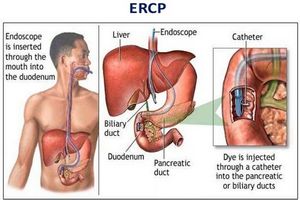
Endoscopic retrograde cholangiopancreatography (ERCP) is a procedure where a flexible, lighted tube is inserted through the mouth, allow doctors to see the duodenum, pancreatic ducts & biliary tree. The instruments help doctors diagnose and treat severe, often life-threatening, diseases such as cancer or gallstones in the pancreas and bile ducts. The advantage of this procedure is that it is less invasive than traditional surgery.
What are the risks of ERCP?
Potential complications include:
Inflammation of the pancreas (pancreatitis) or gallbladder (cholecystitis) and other associated organs.
Organ perforation (gastrointestinal/hepatobiliary tract).
Treatment Failure – Findings during treatment may result in additional treatment if necessary.
Accumulation of bile outside the biliary system (Biloma)
Others include, but are not limited to, infection, bleeding, Bile pooling
How should I prepare for ERCP?
Here are some recommendations for preparing for an ERCP
Before booking your procedure make sure you have disclosed possible pregnancy, any sensitivity or allergic reaction to any contrast dye, iodine, medicines, latex, tape, or anesthesia.
Do not eat or drink for 8 hours prior to procedure. You will receive detailed special dietary instructions 1-2 days before your procedure.
Tell your doctor about all medications (prescription and over-the-counter) and herbal supplements you take.
Tell your doctor if you have a history of bleeding disorders or if you are taking blood thinners (anticoagulants), aspirin, ibuprofen, naproxen, or any other medicine that affects blood clotting.. You may be asked to stop taking these drugs before surgery.
If you have heart valve disease, your doctor may give you antibiotics before surgery
We pride ourselves in excellent service delivery. Our passion in what we do is guided by the needs of patients and their families with the aim of building, improving and sustaining the very best health care delivery.